Authors’ Notes: Lebo Diseko on The House at 6001, the cost of resistance, and the legacy of exile
Lebo Diseko is a 2024 Harvard Nieman Fellow and an award-winning BBC journalist whose career has focused on international news and global religion. A graduate of the University of the Witwatersrand, she turns her investigative lens inward in her debut book, The House at 6001, creating a definitive account of her family’s legacy during the liberation struggle.

Launching as South Africa commemorates the 50th anniversary of the June 16 uprising, Diseko’s memoir centres on 6001 Hliso Street in Orlando East. This Soweto home served as a critical hub of political activism, and through its walls, Diseko links the intimacy of family life to the broader geography of resistance and the painful reality of exile.
A letter from Lebo Diseko
Dear Reader
The beginnings of this book took hold in my heart before I was even aware, on afternoons spent drinking tea with my mum and aunts. My elders would casually drop jaw-dropping anecdotes about their early days in the Struggle, from attempting to spring their friends out of jail, to the comings and goings at my paternal grandparents’ home in the lead-up to June 16th, 1976. There were painful stories too of searching for students my mother had taught – children who had disappeared or been killed on that fateful Wednesday fifty years ago.
The Soweto Uprising shaped the trajectory of my family, as did life at my grandparents’ house at 6001 Hliso Street in Orlando East. A hub of political activism, it was the home I was born into, and shaped me in ways I am still trying to understand.
‘As I listened to my elders talking, it struck me that in the midst of such brutal repression, marriages were made, family bonds were formed, and babies were born. Joy was a form of resistance.’
I wanted to tell the story of my parents, aunts and uncles as they were back then, young revolutionaries doing what they could for our liberation. Up and down South Africa there were versions of the same experiences – ordinary people who did the extraordinary. “Victory in our lifetime” was a slogan of The Movement. Victory did indeed come, but at a high cost to the people who fought for it. In The House at 6001, I explore the price that was paid.
When I was growing up, my parents had many secrets and things that were left unsaid. There was much I didn’t know about my own story and theirs. I knew, for example, that our car had overturned as my mum and I fled into exile when I was a baby. What I had never been told was why my mother, and my father years before, had become a target of the police, or how those things had led to us living in England. Neither did I know about my dad’s efforts to overthrow the apartheid government, or that he had been wanted for treason. It took me petitioning the state for his security files as part of my research for this book for us to have that conversation in earnest.
The deeper I delved into the lives of my elders, the clearer it became that I was also trying to understand myself and my relationship with my country. I was forced to examine the emotional loss and dislocation that came from growing up in exile. I wrestled with who I may have been had my parents chosen a different path.
The House at 6001 is a story that encompasses trauma, healing, secrets, family, and love. I hope readers can see parts of themselves in my journey. I hope too that I have shown that history is not so much made by great men, as lived by people whose names may not be widely known. This is my effort to shine a light on those contributions.
Lebo Diseko
The House at 6001
by Lebo Diseko
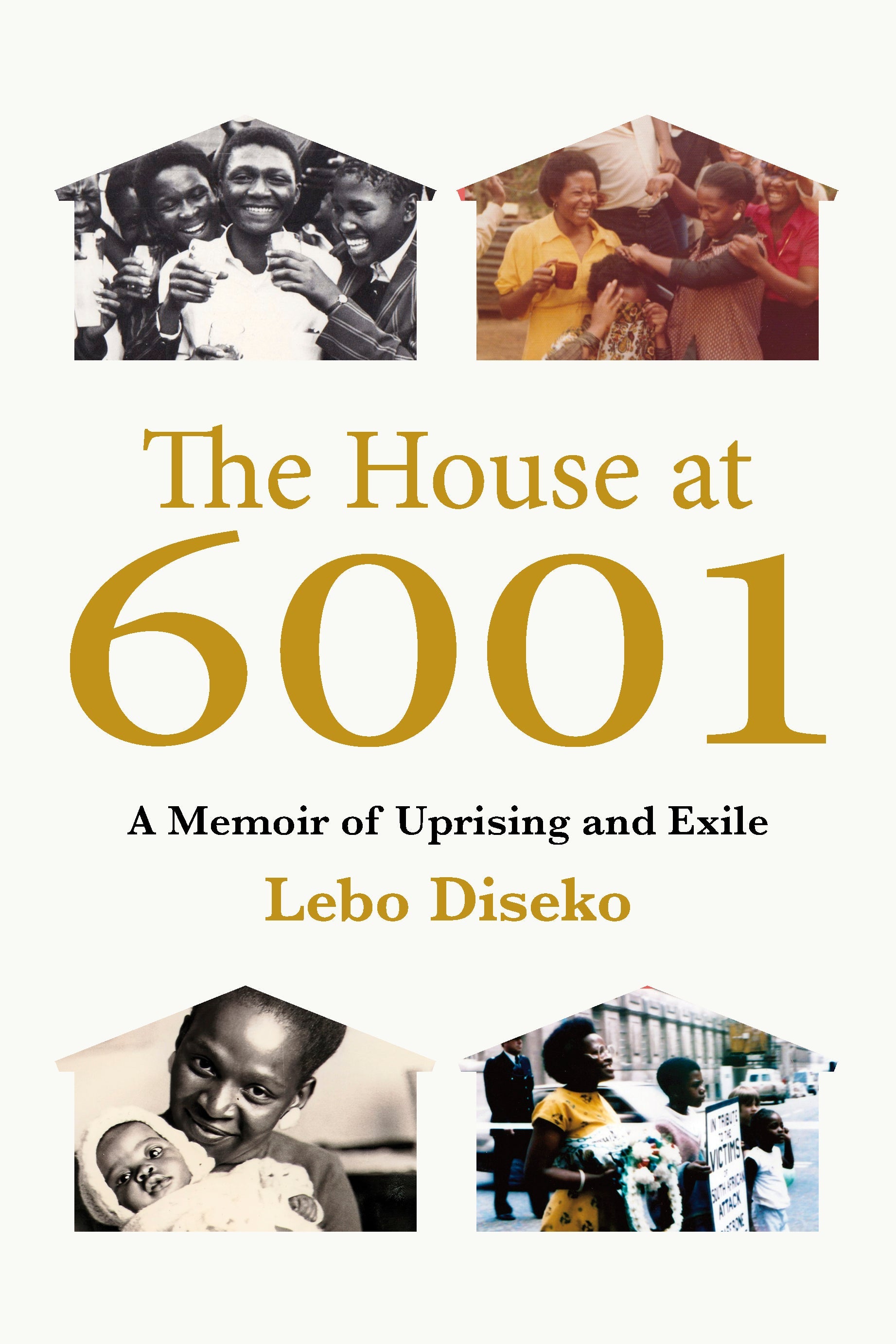
Why read this: This memoir provides a personal lens into the Soweto Uprising by focusing on the intimate history of a single activist household. It explores the profound psychological cost of exile and the generational trauma inherited by the children of the Struggle. Ultimately, it is a moving tribute to the ordinary South Africans whose names are absent from history books but whose defiance secured the nation’s freedom.
If you’re looking for: Narrative memoir, investigative social history, the 1976 Soweto Uprising, and themes of intergenerational trauma, the dislocation of exile, and the reclamation of cultural identity.
Great for fans of: The Plot to Save South Africa by Justice Malala, Lost and Found in Johannesburg by Mark Gevisser and A Human Being Died that Night by Pumla Gobodo-Madikizela
What the experts say:
- "Deeply reported and beautifully told. This moving memoir... gripped me from start to finish." — Justice Malala.
- "A powerful portrait of a family forged by the struggle, offering a fresh take on the well-known tragedy of June 16, 1976." — Larry Madowo, CNN International Correspondent.


