Ndibhala Intando Yam by Steve Biko
Pan Macmillan South Africa is proud to announce the publication of Ndibhala Intando Yam, the isiXhosa translation of Steve Biko’s iconic I Write What I Like

After years in the making, this long-awaited project is a testament to an enduring legacy
For the first time, Biko’s powerful words are directly accessible to isiXhosa speakers, allowing a new generation to connect with his powerful ideas in their mother tongue.
The release also marks a significant milestone for the publisher, representing a defining moment in Picador Africa’s 21st anniversary year. Andrea Nattrass, Publisher at Pan Macmillan, reflects on the imprint’s full-circle journey:
'Launching Picador Africa in 2004 with Steve Biko’s I Write What I Like was a declaration of Pan Macmillan's intent to centre South African voices. To now close our 21st year of local publishing by releasing Biko’s seminal work in isiXhosa feels incredibly significant. This is a classic work that remains urgent and necessary, and this translation honours Biko’s intellectual rigour.'

Ndibhala Intando Yam by Bantu Steve Biko
by Steve Biko
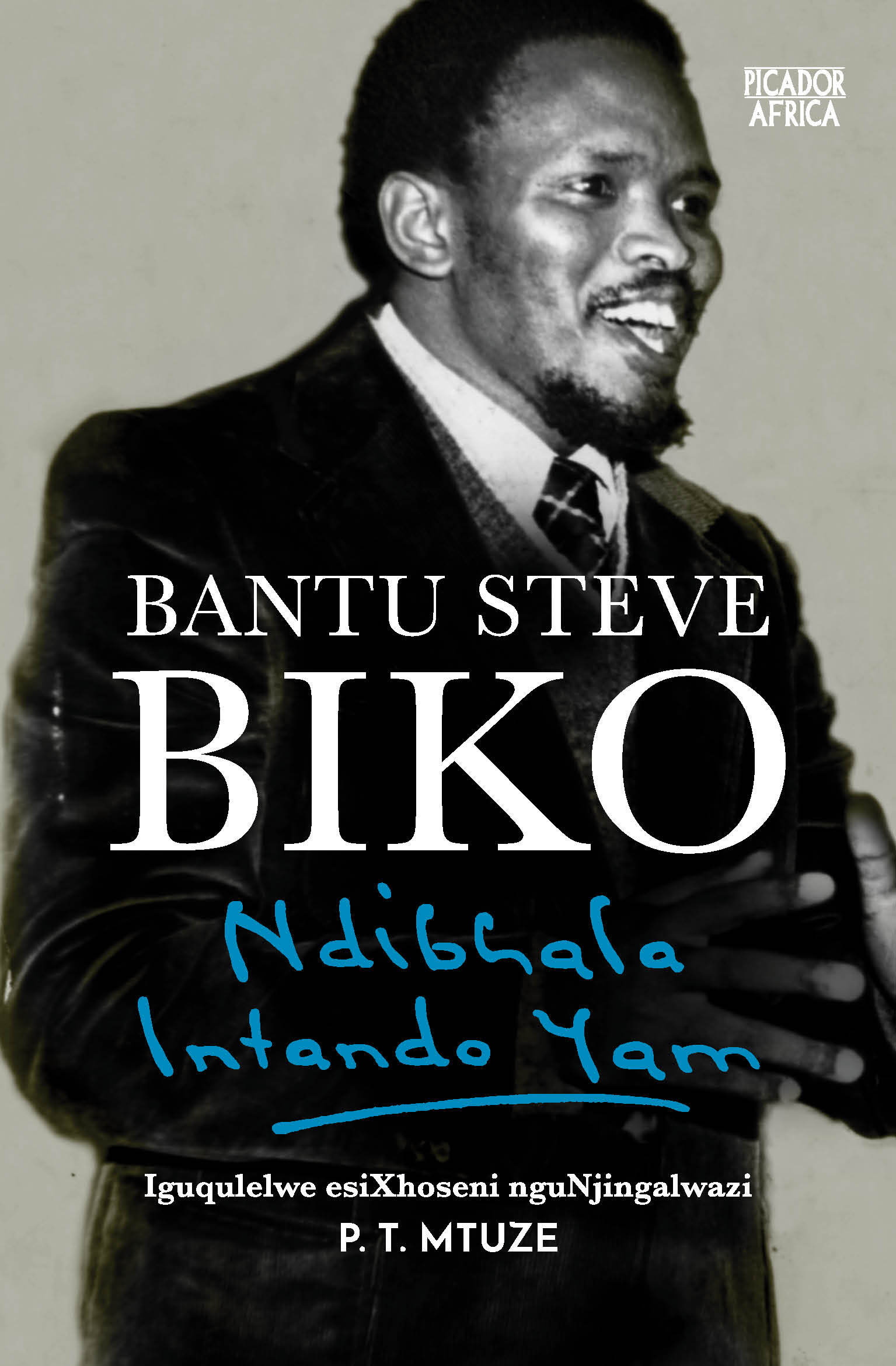
isiXhosa edition translated by PROF PETER MTUZE, with input from PROF SIMPHIWE SESANTI and DR ATHAMBILE MASOLA
After years in the making, the iconic I Write What I Like has been translated into isiXhosa, a long-awaited project for the Biko family and the Biko Foundation. Ndibhala Intando Yam features the writing of the famous activist and Black Consciousness leader, Steve Biko. Before his untimely death in detention at age 30, Biko was instrumental in uniting Black Africans in the struggle against the apartheid government in South Africa.
This edition features a new Foreword by Nkosinathi Biko as well as the material of the original 2004 Picador Africa edition: a collection of Biko’s columns entitled I Write What I Like published in the journal of the South Africa Student Organisation under the pseudonym of ‘Frank Talk’; other journal articles, interviews and letters written by Steve Biko at the time; a Preface by Archbishop Desmond Tutu and an Introduction by Nkosinathi Biko; and a moving memoir by Father Aelred Stubbs, which pays tribute to the courage and power of this young leader who was to become one of Africa’s heroes.
I Write What I Like by Steve Biko
by Steve Biko
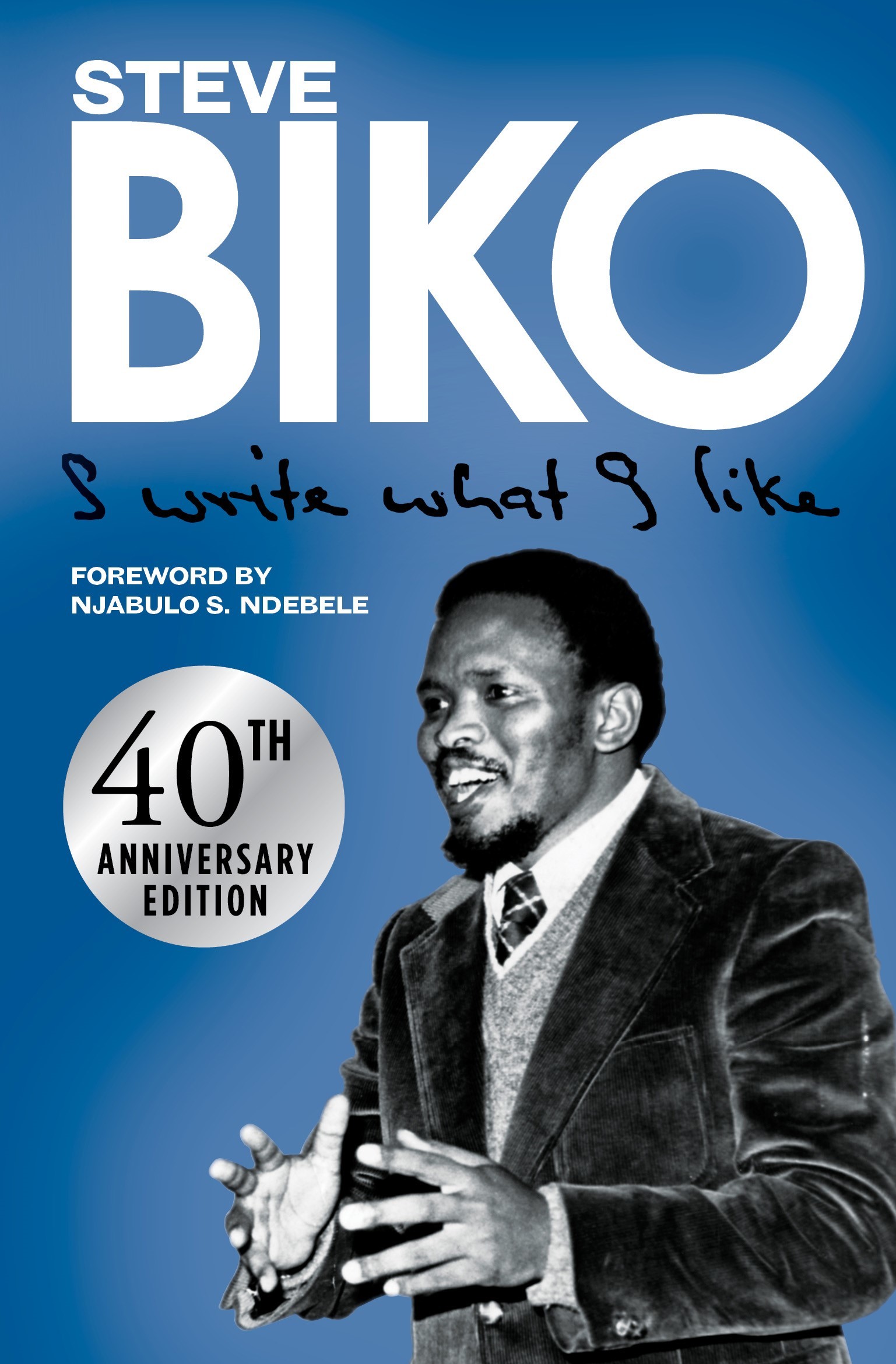
I Write What I Like features the writing of the famous activist and Black Consciousness leader, Steve Biko. Before his untimely death in detention at age 30, he was instrumental in uniting Black Africans in the struggle against the apartheid government in South Africa.
This 40th anniversary edition includes a Foreword by Njabulo S. Ndebele, personal reflections on Steve Biko and Black Consciousness, as well as Biko’s first known published piece of writing. In addition, it features all the material of the original Picador Africa edition: a collection of Biko’s columns entitled I Write What I Like published in the journal of the South Africa Student Organisation under the pseudonym of ‘Frank Talk’; other journal articles, interviews and letters written by Steve Biko at the time; an Introduction by Nkosinathi Biko; a preface by Archbishop Desmond Tutu; and a moving memoir by Father Aelred Stubbs, which pays tribute to the courage and power of this young leader, who was to become one of Africa’s heroes.
Ndibhala Intando Yam
The translation was a meticulous process led by the late, renowned scholar Professor Peter Tshobisa Mtuze, who passed away in 2025, with editorial input from Professor Simphiwe Sesanti and Dr Athambile Masola.
Dr Masola notes that the title choice, Ndibhala Intando Yam (directly translating to 'I write my will'), was deliberate, capturing the rhythm of Biko's voice while speaking to a deeper theme of Black identity.
About the book
Ndibhala Intando Yam is the isiXhosa translation of I Write What I Like, featuring the transformative writings of Steve Biko, the activist and Black Consciousness leader whose ideas were instrumental in the struggle against apartheid.

Along with all the material of the original edition, it includes a new Foreword by Nkosinathi Biko, a Preface by Archbishop Desmond Tutu, and a moving piece by Father Aelred Stubbs.
About the translator and editors
PETER MTUZE (1941–2025) was a leading scholar in the field of African languages. He published more than 30 creative and academic works in varying forms – novels, short stories, poetry, dramas, essays, autobiography, literary guides, translations, cultural and religious published academic papers. He translated Nelson Mandela’s Long Walk to Freedom into isiXhosa.
Professor Mtuze joined Rhodes University in 1998 as head of the isiXhosa department. At the time of his passing, on 12 July 2025, he was Professor Emeritus and President of the Rhodes Convocation, as well as an Anglican priest and canon in the Diocese of Grahamstown, serving as the rector of the parish of St Andrew Ginsberg and St James Peddie, and as the Archdeacon of East London, West.
SIMPHIWE SESANTI is a Professor at the University of the Western Cape’s Faculty of Education. He is a former editor of the International Journal of African Renaissance Studies. He holds two PhDs, one in Journalism Studies (from Stellenbosch University), and another in Philosophy (from the University of the Witwatersrand). Professor Sesanti has published on a variety of issues, including Education, African Philosophy, Gender, Journalism, Politics and Spirituality (Religion).
Dr ATHAMBILE MASOLA is a lecturer in the Department of Historical Studies at the University of Cape Town. Her areas of interest include black women’s life writing and historiography. Her research is also informed by the early 20th century newspaper archive in South Africa (particularly written in isiXhosa). She is a poet whose debut collection Ilifa (Uhlanga Press, 2021) won the NIHSS Best Poetry Award in 2022.


